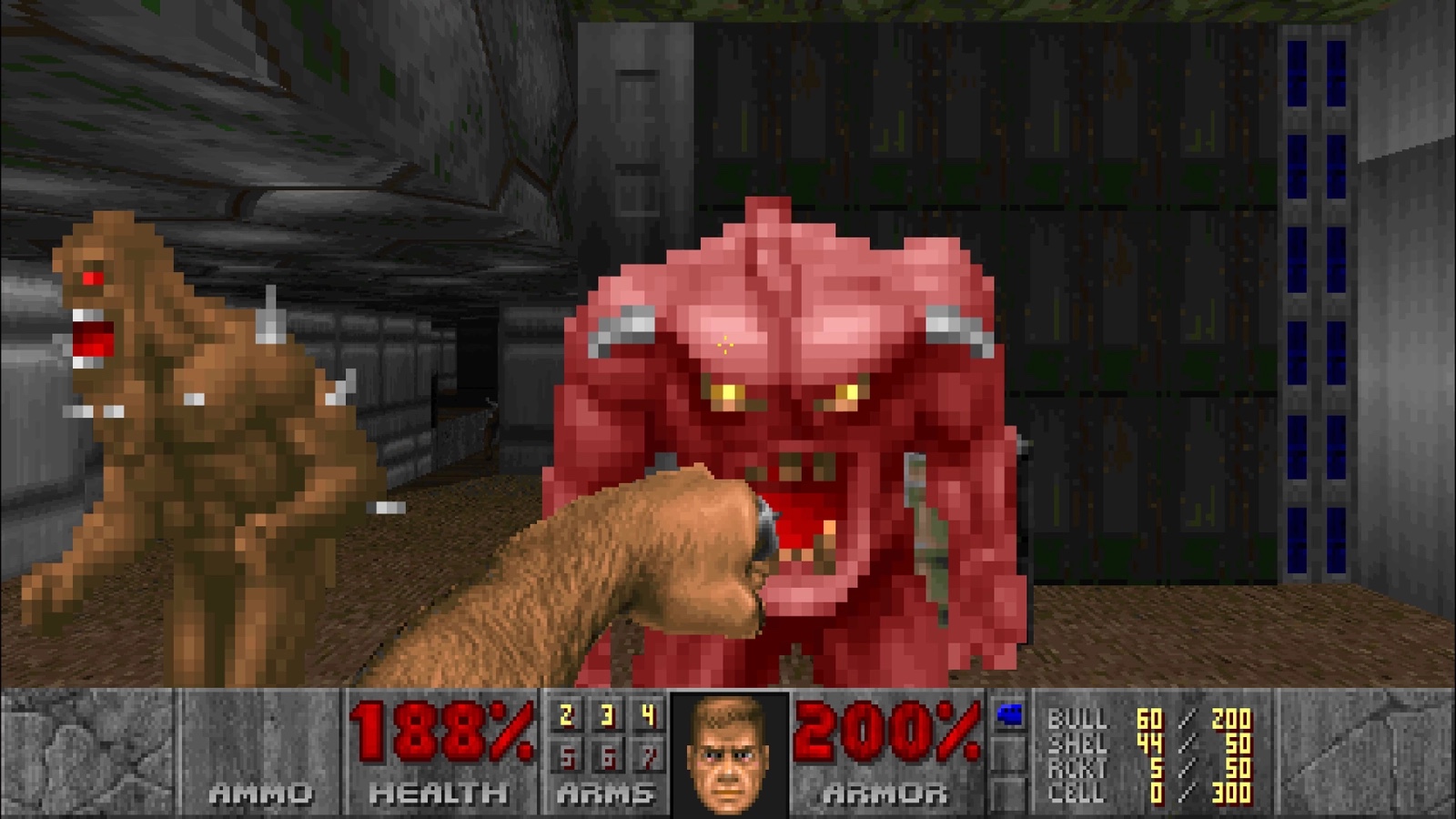
Every Business Is Playing Age of Empires
Age of Empires explains business technology better than any consulting framework. Here's how to figure out which age your company is living in, and how to advance.

- Business technology moves in four ages: Stone (emailed spreadsheets and a server closet), Industrial (good tools that don't talk), Information (connected systems), and Intelligence (AI inside the team's workflow).
- Unlike the game, the research is already done: everything you're not using was proven years ago, by someone else. The gap is adoption, not availability.
- Most companies are mixed-age: modern files, Stone Age process. The weakest area sets the pace, and you're closer to advancing than you feel.
- AI is a fast, literal new hire: give it connected systems and written process and it's remarkable. Give it chaos and it automates the chaos.
- You don't modernize first and add AI later; advance one workflow at a time and do both in the same motion. Our free AI opportunity assessment shows which workflow to start with.
Free · about six minutes · no email
Age of Empires ate entire summers of my childhood.
If you never played: you start with a few villagers, a pile of wood, and a map covered in fog. You gather, you build, and eventually you hit the button that changes everything: Advance to the next Age.
The screen flashes, the settlement upgrades, and you unlock abilities the previous age couldn't touch.
What I didn't appreciate as a kid: the best players were never the fastest clickers. They were the ones who advanced ages sooner. A mediocre player in the Castle Age beats a brilliant player in the Dark Age, every time.
I run a firm that builds AI, workflows, and software for growing companies, so I spend most weeks inside somebody else's operation, and the longer I do it the more convinced I get: every company is playing this same game, and most have never stopped to ask which age they're in.
What are the four ages of business technology?
Here's the map I use.
The Stone Age. Your files live on an office server or in email attachments. The important spreadsheet has four versions and one owner. The person who knows how billing really works is a person, not a document. It feels safe because everything is close enough to touch, but nothing compounds, and every process walks out the door with the person who carries it.
The Industrial Age. At some point the company bought tools. A CRM here, a project tool there, accounting somewhere else, cloud files, forty subscriptions. The machines are modern; the assembly line between them is people, copying and pasting and forwarding and asking. This is where most companies live, and because it works, nobody questions it. It just caps growth at the speed of hiring.
The Information Age. Now the systems talk to each other. Data entered once shows up everywhere it's needed, work moves through statuses instead of forwarded emails, and dashboards answer "where does it stand?" before anyone has to ask. This is where compounding starts. It's also where AI quietly becomes useful, because an AI tool can only work with what your systems can hand it.
The Intelligence Age. AI stops being one enthusiast's chat window and becomes part of how the team works. Agents handle real multi-step work: intake, drafting, processing, reconciliation. People review instead of do. Very few companies are fully here yet, including many who say they are.
The one huge difference between the game and real life
In the game, you wait for the research bar to fill.
In real life, the bar filled years ago and someone else paid for it. Cloud storage stopped being brave around 2010. Systems talking to each other became normal around 2015. AI doing dependable work inside a business went from demo to real in the last two years.
Every technology your company isn't using was proven years ago, by someone else. The only research queue left is yours.
I find that encouraging. There's no invention risk left in anything most companies are missing. The gap isn't availability. It's adoption, and adoption is a decision you get to make.
Why do smart companies get stuck?
When I tell operators that most companies run a couple of ages behind what's available, nobody argues. What they want to know is how it happened, because nobody remembers deciding to fall behind.
Almost always, they're mixed-age. The files are Industrial. The process is Stone. One team quietly uses ChatGPT like it's the Intelligence Age while the customer file still gets re-typed into three systems.
Mixed-age companies feel modern and act ancient, and the weakest area sets the pace, because it's what everything else waits on.
None of this is anyone's fault. Every age was the right choice when you entered it; the world moved and nobody sent a memo. And the diagnosis has a useful flip side: you're further along than you feel. You rarely need to rebuild everything, just bring one or two lagging areas up to where the rest of the company already lives.
Why does AI need the earlier ages?
The mistake I watch most often right now is buying AI before the prerequisites.
Think of an AI agent as a fast, very literal new hire. Give it connected systems, one source of truth, and a written process, and it's remarkable. Give it four versions of the same spreadsheet and a process that lives in Dave's head, and it does what any new hire would: guess.
That's why AI bolted onto Stone Age process doesn't fix the chaos. It automates the chaos. The earlier ages aren't bureaucracy standing between you and the fun part. They're what the AI runs on, and just like the game, they don't skip, no matter how much gold you've stockpiled.
What operators often miss is that you don't have to modernize first and adopt AI second. The two happen together. When we take a workflow from emailed spreadsheets to a connected system, the AI goes in as part of the same build. Cleaning up your data and writing down your process isn't a detour on the way to the AI project. It is the AI project. One specialty lender we work with went from spreadsheets and heroics to a connected platform running loans, brokers, compliance, and commissions, with automation inside from the start. The whole move took months.
How do you find your age and advance?
Three moves, in order.
1. Locate yourself. You can't advance out of an age you haven't located. The four ages give you the language; our free AI opportunity assessment puts your own business on the map. It takes about six minutes, needs no email, and shows where AI would pay off first.
2. Fix things in order. Files out of inboxes, knowledge out of heads, systems talking to each other, AI inside the workflow. Each step makes the next one easier, and the early ones cost less than you think.
3. Advance one workflow at a time. Skip the transformation deck. Pick the workflow that hurts the most, modernize it and put AI into it in the same motion, and let the working result make the argument for the next one. That's the shape of our AI Jumpstart, and how momentum actually starts.
The age worth playing for
In Age of Empires, the player who reaches the next age first doesn't just get better tools. They set the terms of every fight that follows.
Your industry works the same way, and the encouraging part is that in most industries, nobody has claimed the Intelligence Age yet. The research is done. The path is known. Being early no longer requires being brave.
It just requires deciding to advance.
Free · about six minutes · no email