Digital Transformation
for Sales & Marketing Teams
Faster lead follow-up, cleaner handoffs, and a pipeline that matches what reps are doing.
THE REALITY IN MANY REVENUE TEAMS
Revenue has tools. The work still slips through the cracks.
Leads come from everywhere, but the workflow doesn’t. When routing, follow-up, and attribution live in different places, teams spend the week chasing context and fixing reporting instead of running plays.
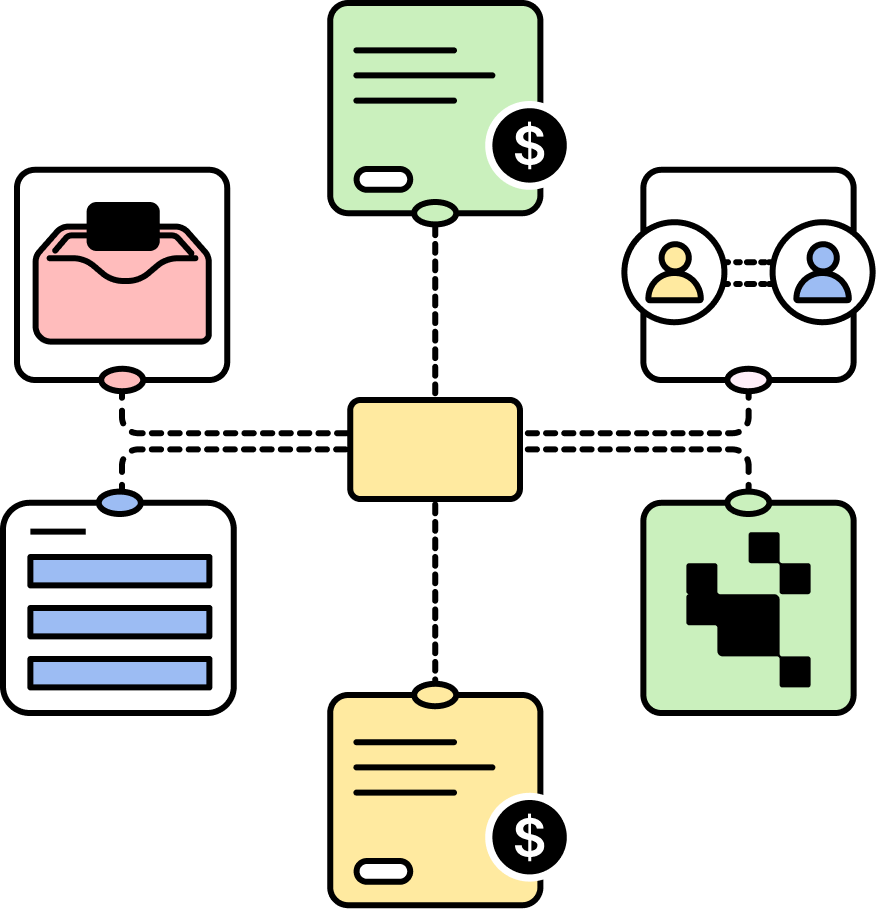
Leads land everywhere
Forms, ads, inboxes, events, partners. Without one intake path, follow-up speed and tracking break fast.

Handoffs lose context
Campaign source, intent, and prior touches don’t travel cleanly from marketing to sales, so reps restart the conversation.
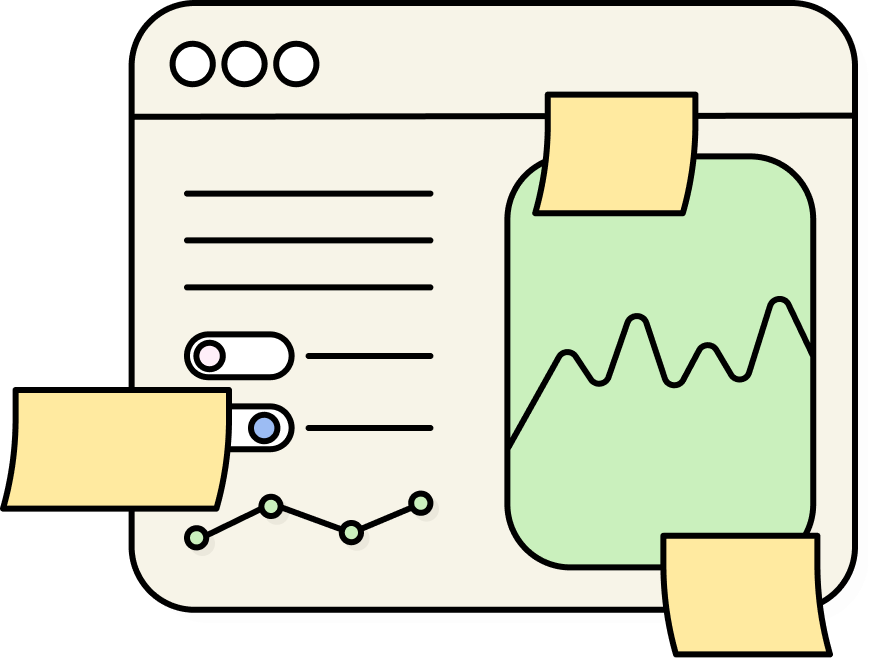
Reporting turns into a project
Pipeline and attribution depend on cleanup, so QBRs become a debate about numbers instead of next moves.
HOW MODERN REVENUE WORKS
Workflows first.
Tools follow.
Start with the revenue motions: capture, qualify, route, follow up, and move deals forward. Then lock the definitions (stages, fields, ownership), and build the system so activity turns into clean pipeline and clear reporting.
What we build for revenue teams
Practical builds that make revenue run smoother.
 Define the source of truth for leads, accounts, and opportunities
- Standardize lifecycle stages, required fields, and routing inputs
- Set ownership and follow-up expectations that teams can keep
.svg) Lead routing for territories, round-robin, and priority segments
Lead routing for territories, round-robin, and priority segments- Shared definitions for MQL, SQL, and pipeline stages across teams
- A short pilot, then rollout with training and lightweight documentation
What your team gets after the rebuild
Clear ownership, consistent follow-up, and numbers you can stand behind.

One lead lifecycle
Every lead has a clear status, owner, and next step, so nothing gets stuck in “we’ll follow up.”
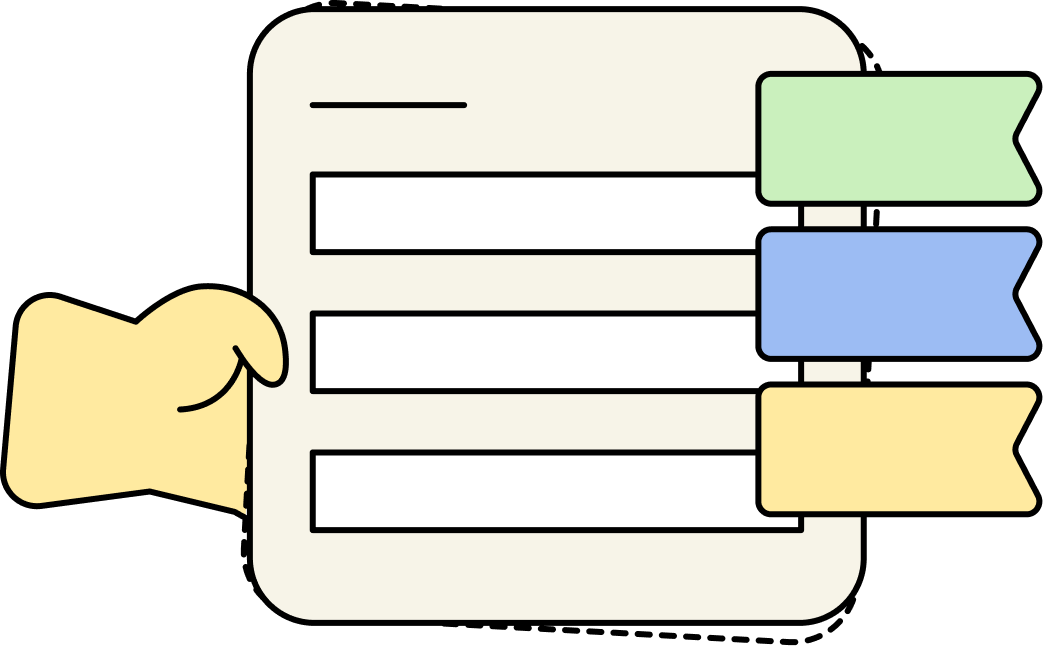
Clean handoff
Source, campaign, and intent stay attached, so SDRs and AEs start with context, not guesswork.
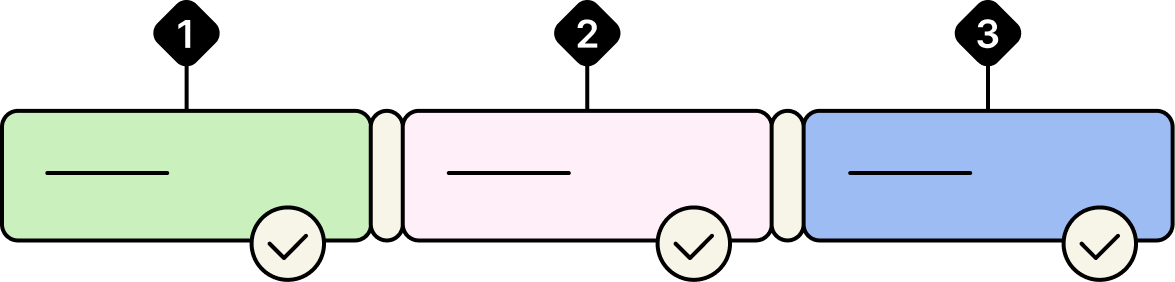
A predictable pipeline
Stages and close dates stay disciplined, so forecasts reflect reality week to week.

More selling time
Follow-ups, task creation, and status updates happen automatically, so reps stay in conversations.
Ready to tighten up your revenue workflow?
We’ll map your lead flow and handoffs, then rebuild the system so follow-up stays consistent and reporting stays clean.
Free resources for Sales &
Marketing teams

Templates and guides
Practical guides, frameworks, and resources we use in real client work, shared so teams can learn, adapt, and apply them in their own context.
Browse Free Resources →
Switchboard Connect newsletter
Short, practical insights on operations, automation, and transformation.
Subscribe →

Case Studies
See how teams fixed handoffs, cleaned up systems, and removed manual work.
Browse case studies →
Sales & Marketing FAQ
How do you improve lead follow-up speed and consistency?
We map where leads enter (forms, ads, events, inboxes), then set one clear intake and routing path. We standardize ownership rules and required fields, so every lead gets an owner and next step automatically. The result is faster first response and fewer leads stuck in limbo.
Do we need to replace our CRM or marketing tools?
Usually, no. We start by deciding what tool is the source of truth for leads, accounts, opportunities, and campaign data, then clean up how information flows between tools. You keep what works, remove duplicates, and tighten the parts that create confusion.
How do you fix the handoff between marketing and sales?
We define what “ready” means (stages, fields, and signals), then make sure source, campaign, intent, and notes travel with the lead from marketing to SDR to AE. We also set simple rules for when ownership changes and what must be captured before it moves forward.
How do you make pipeline and attribution reporting reliable?
We align lifecycle stages and pipeline definitions across teams, then add guardrails so records stay clean (required fields, stage rules, close date hygiene). Once the workflow is consistent, dashboards stop depending on manual cleanup and weekly debates about the numbers.
What does a typical Switchboard project look like for Sales and Marketing?
We start by assessing how work really flows today, then define the target workflow and data rules. Next we build and connect the system, run a short pilot, and support rollout with training and lightweight documentation so the team actually adopts it.
