Digital transformation for
Human Resources teams
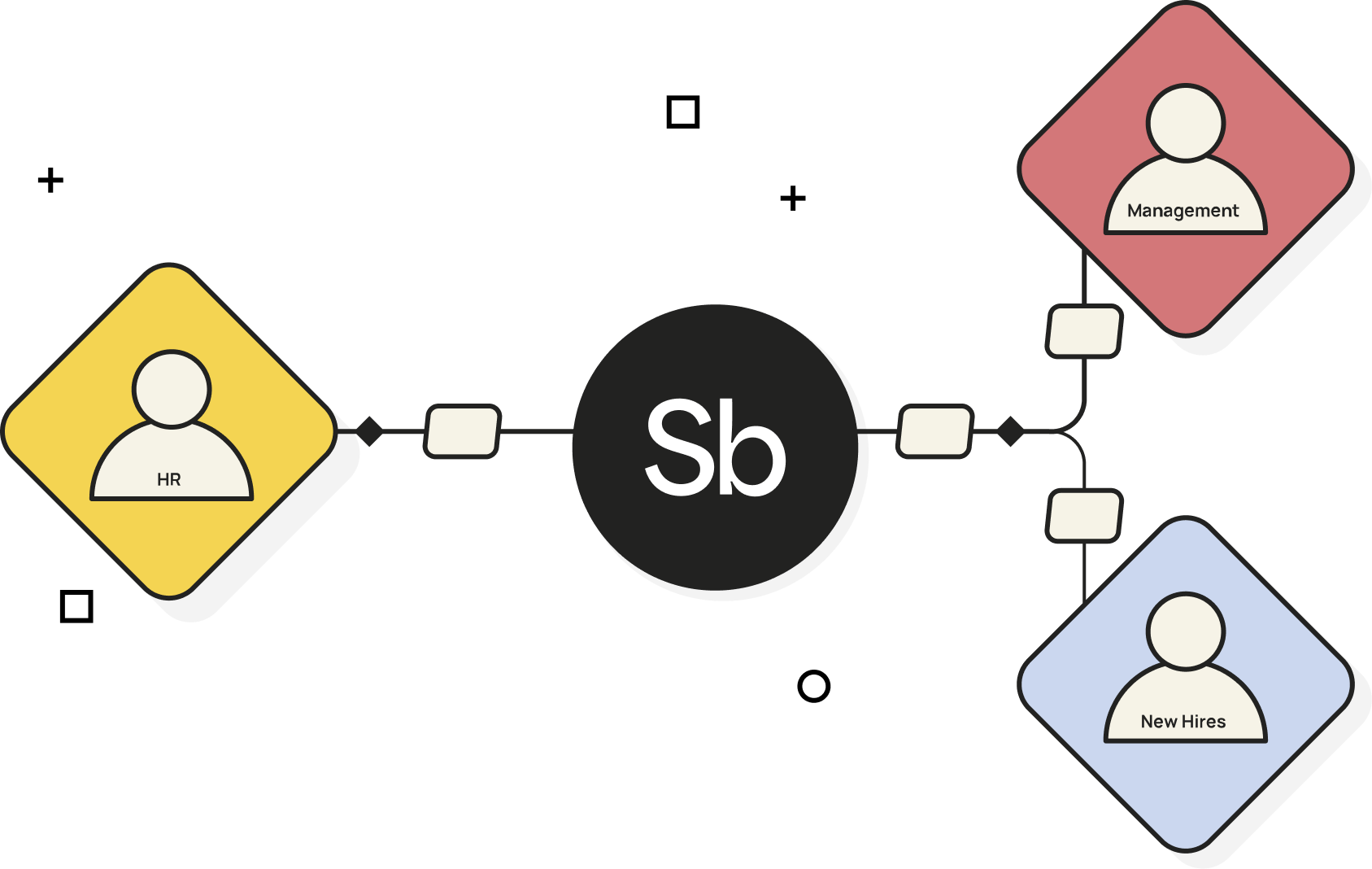
We redesign how people operations run, so hiring, onboarding, and employee changes stay consistent as your company grows.
inside many hr teams today
HR supports people.
The work behind it breaks easily.
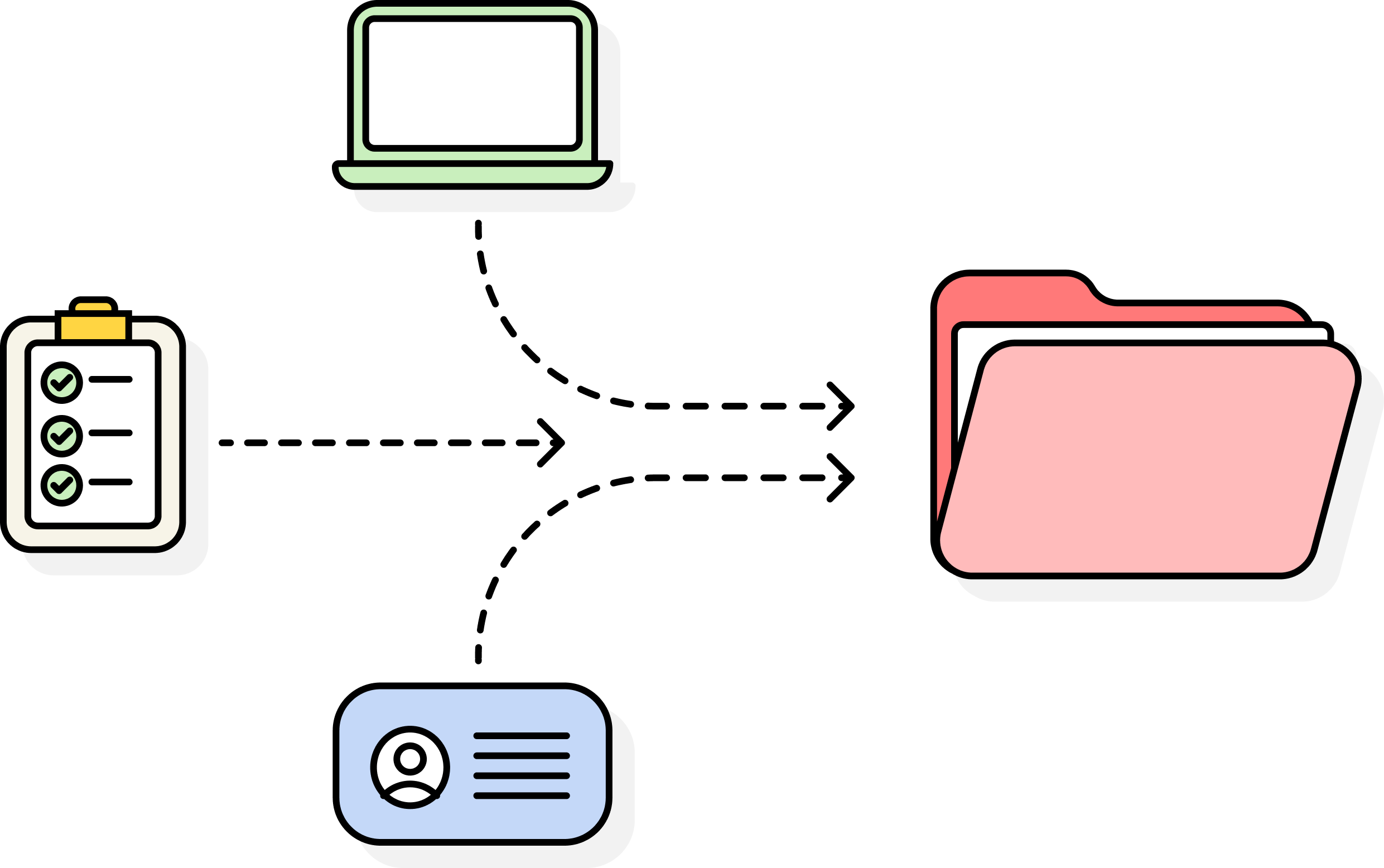
Hiring, onboarding, and employee changes often depend on spreadsheets, inboxes, and reminders. Information lives across systems, ownership is unclear, and small misses turn into employee frustration or compliance risk.
As headcount grows, the work becomes harder to manage without adding more manual effort. We help HR teams rebuild how this work runs, end to end.
As headcount grows, the work becomes harder to manage without adding more manual effort. We help HR teams rebuild how this work runs, end to end.
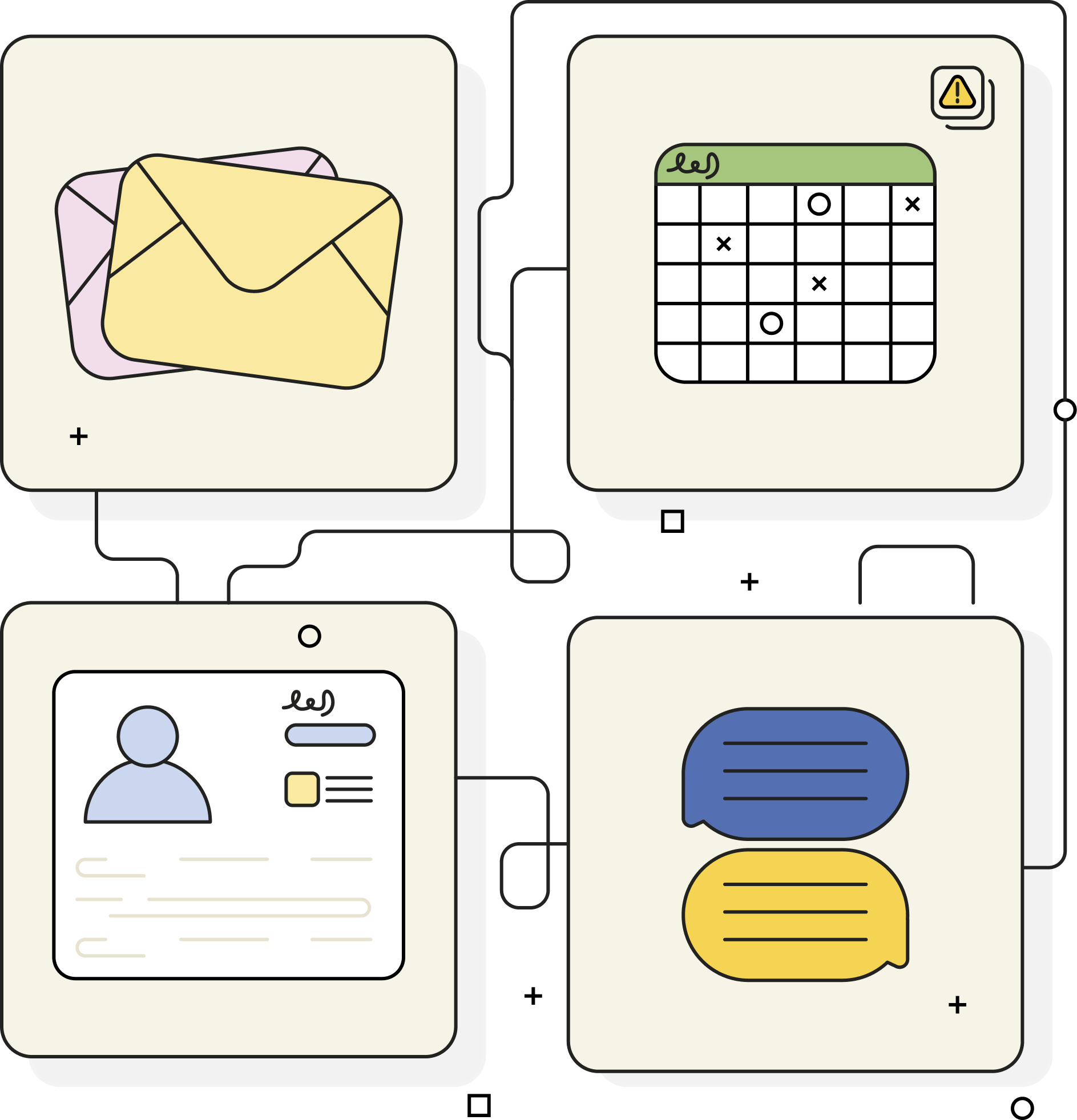
Employee data spread across systems
Updates happen in multiple places, creating gaps and conflicting records.
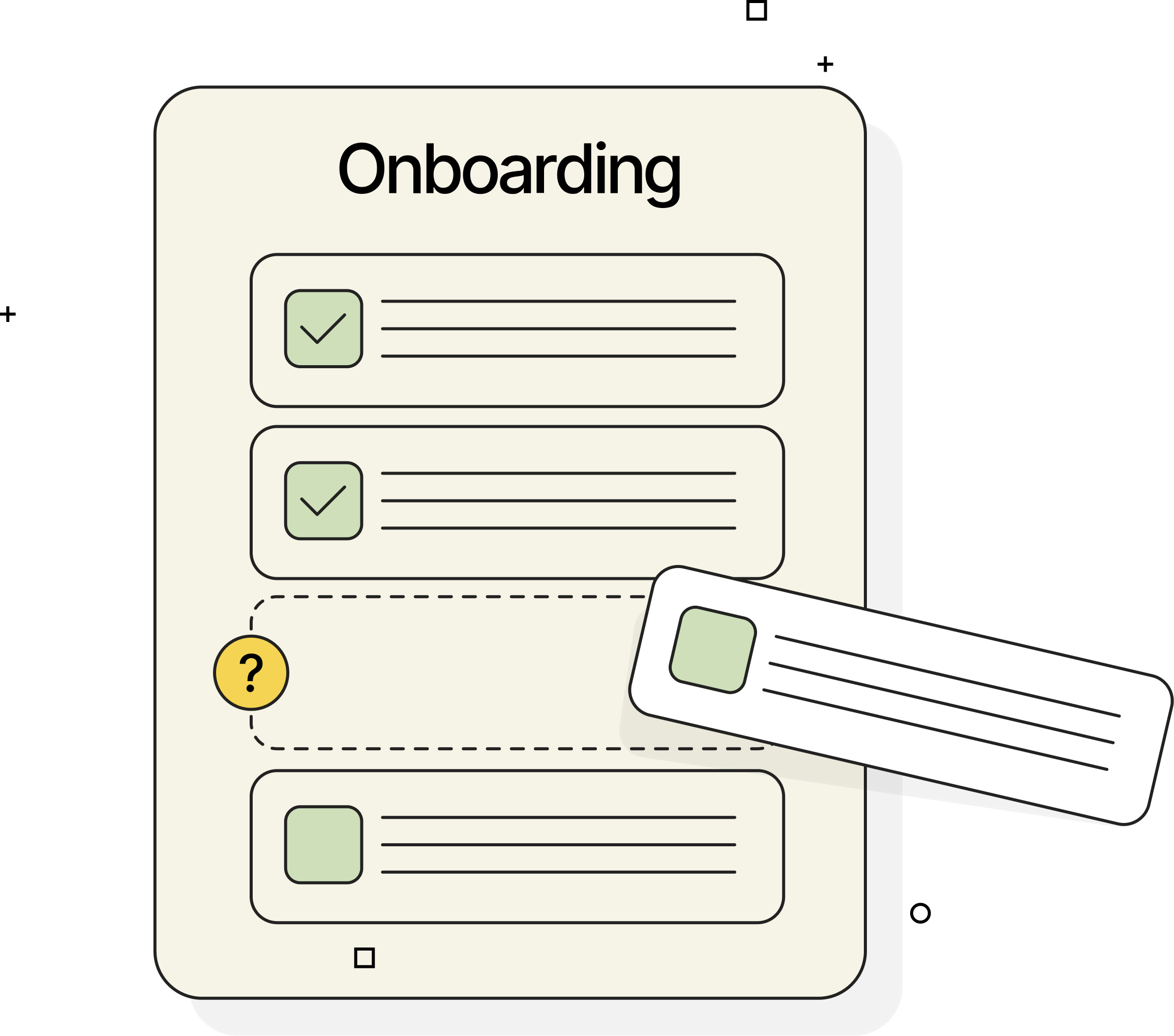
Manual lifecycle steps
Onboarding, reviews, and transitions rely on follow-ups and memory.
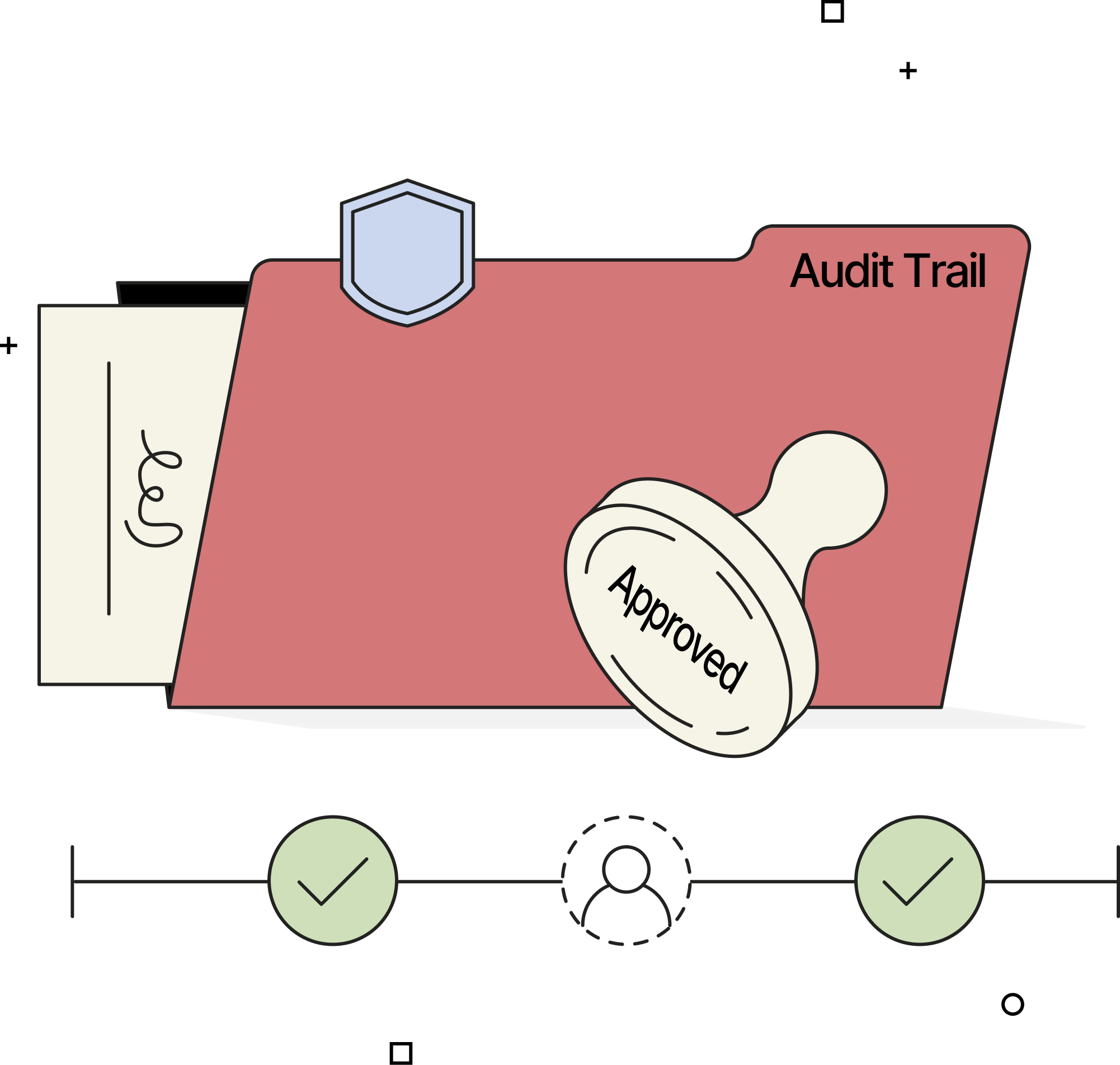
Limited people visibility
HR leaders struggle to see progress, delays, and risk in real time.
How strong HR systems are built
Start with the work.
Fix the structure.
Then scale.
HR Digital Transformation starts by understanding how people operations are carried out day to day.
We map hiring, onboarding, and employee lifecycle workflows as they exist today.
From there, we define clear ownership and reliable data, then build systems that support the work instead of complicating it.
We map hiring, onboarding, and employee lifecycle workflows as they exist today.
From there, we define clear ownership and reliable data, then build systems that support the work instead of complicating it.
What we build for hr teams
Practical builds that make HR run cleaner.
 Map hiring, onboarding, and employee lifecycle workflows
- Clarify ownership, approvals, and responsibilities
- Define clean, dependable employee records
.svg) Build systems that reflect real HR work
Build systems that reflect real HR work- Reduce manual handoffs and follow-ups
- Roll out changes in a way teams can adopt
What teams gain
These are common results after the first core workflow is rebuilt and adopted.

What your HR team gets after the rebuild
Clear ownership, fewer follow-ups, and systems people trust.
Single source of truth
HR always knows where updates live and which system owns each record clearly.
Reliable lifecycle flows
Hiring, onboarding, changes, and exits move forward without dropped steps now.
Clear people visibility
Leaders see hiring progress, workload, and people trends as they evolve today.
Less manual coordination
Routine HR tasks run consistently, reducing follow ups and daily checking work.
Ready to modernize your HR operations?
Let’s take a look at your workflows and bottlenecks together.
Free resources for HR teams
Templates and guides
Practical guides, frameworks, and resources we use in real client work, shared so HR teams can learn, adapt, and apply them in their own context.
Browse Free Resources →
Switchboard Connect newsletter
Short, practical insights on operations, automation, and transformation.
Subscribe →
Case Studies
See how teams fixed handoffs, cleaned up systems, and removed manual work.
Browse case studies →
Operations FAQ
How is HR digital transformation different from “just buying an HRIS”?
Digital transformation fixes how work moves, not only where data lives. An HRIS can store employee records, but the real friction usually sits in requests, approvals, documents, and handoffs between HR, managers, IT, and Finance. We map the workflow first, define ownership and data rules, and then connect tools so updates happen reliably. The result is a system people trust, with fewer follow ups and fewer manual steps.
Do we need to replace our whole HR tech stack to modernize?
Most teams don't. We usually keep the tools that already work and focus on the gaps between them. That might mean choosing one system of record for requests, standardizing fields, and connecting HRIS, forms, e-signature, and Slack so updates sync automatically. Replacing everything is rare and usually happens only when the current stack cannot support the workflow at all.
What does a modern onboarding workflow look like in practice?
A modern onboarding flow has one request intake, clear owners, and a checklist that runs the same way every time. Docs get sent automatically, approvals are tracked, accounts are provisioned with predictable steps, and everyone can see status without chasing HR. In our client work, this often turns onboarding from a long thread of manual follow ups into a simple flow that runs consistently for every new hire or contractor.
How do you reduce HR follow ups without removing human judgment?
We automate the parts that do not require judgment, like routing, reminders, document collection, and status updates. HR still controls the steps that need context, like exceptions, sensitive cases, and final approvals. The goal is simple: fewer repeated questions and fewer dropped steps, while keeping decision points in the right hands.
When does AI make sense for HR operations?
AI works best after the workflow and data are clean. Once requests, documents, and statuses live in consistent fields, AI can help draft summaries, route requests, suggest next steps, and answer common questions from the right source. If the system is messy, AI tends to repeat the mess faster. We treat AI as a layer on top of good process and reliable data.
