Digital Transformation for Operations Teams
Modernize workflows and systems so the day runs with clarity and fewer follow ups.
The reality in most Ops teams
Ops has tools.
The work still feels manual.
Most Ops teams have tools. The friction comes from handoffs, updates, and approvals that live in too many places. Work gets done, but it takes constant checking and follow ups to keep it moving.
Tools everywhere
Updates live in too many places, so people copy, paste, and recheck the same info.

Fragile handoffs
Approvals, photos, and next steps get spread across messages, so it is easy to miss context.
Slow visibility
Basic questions turn into status chasing and manual reporting.
How modern Ops works
Workflows first.
Tools follow.
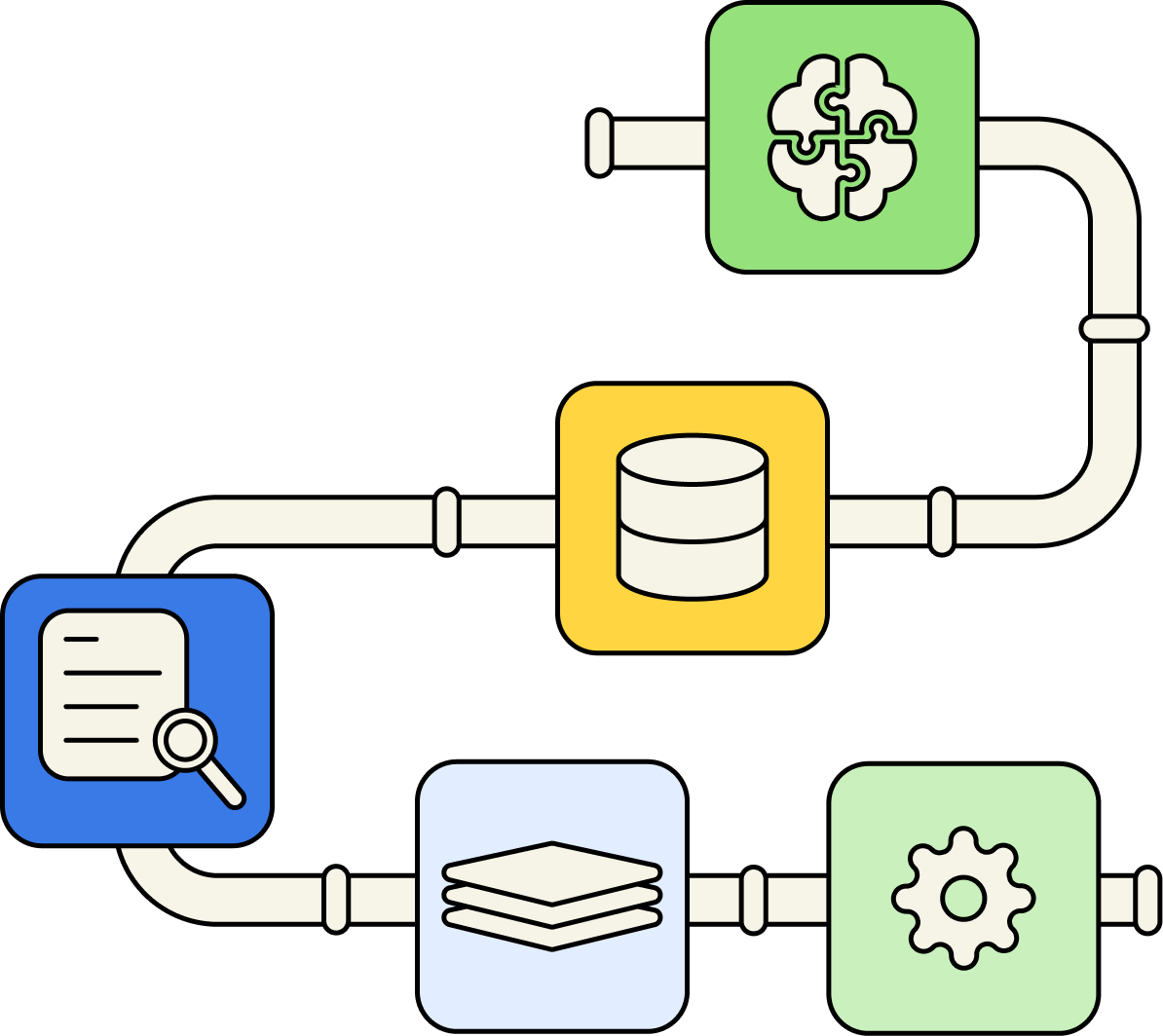
Operations transformation follows an order. We map the workflow first, then set the system behind it, then automate repeat steps. AI fits after the foundation is stable, when it can save time without creating confusion.
What we build for Ops teams
Practical builds that keep work moving.
 Choose the system of record for each key workflow or entity
- Standardize fields, statuses, and formats so reporting stays reliable
- Define owners and response times so handoffs are predictable
.svg) Simple rules for routing, approvals, reminders, and status updates
Simple rules for routing, approvals, reminders, and status updates- Cross tool updates with clear write and read boundaries
- A short pilot, then rollout so the team actually adopts it
What teams gain
These are common results after the first core workflow is rebuilt and adopted.

What your team gets after the rebuild
Clear ownership, fewer follow-ups, and visibility you can trust.

Single source truth
Teams always know where updates live, so ownership stays clear and work stays aligned.
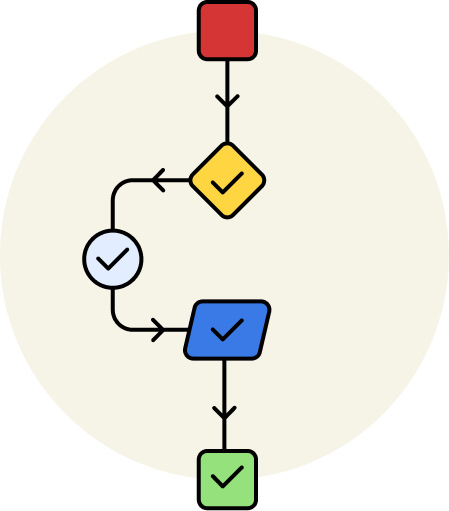
Reliable team handoffs
Approvals and next steps move forward smoothly, without chasing people or losing context.
Operational dashboards
Leaders see what is moving, what is blocked, and why it matters right now.
Less manual workload
Repeat steps run quietly in the background, reducing coordination and manual effort.
Ready to modernize your operations?
Let’s take a look at one workflow and the systems behind it. You’ll leave with a clear path for what to fix first.
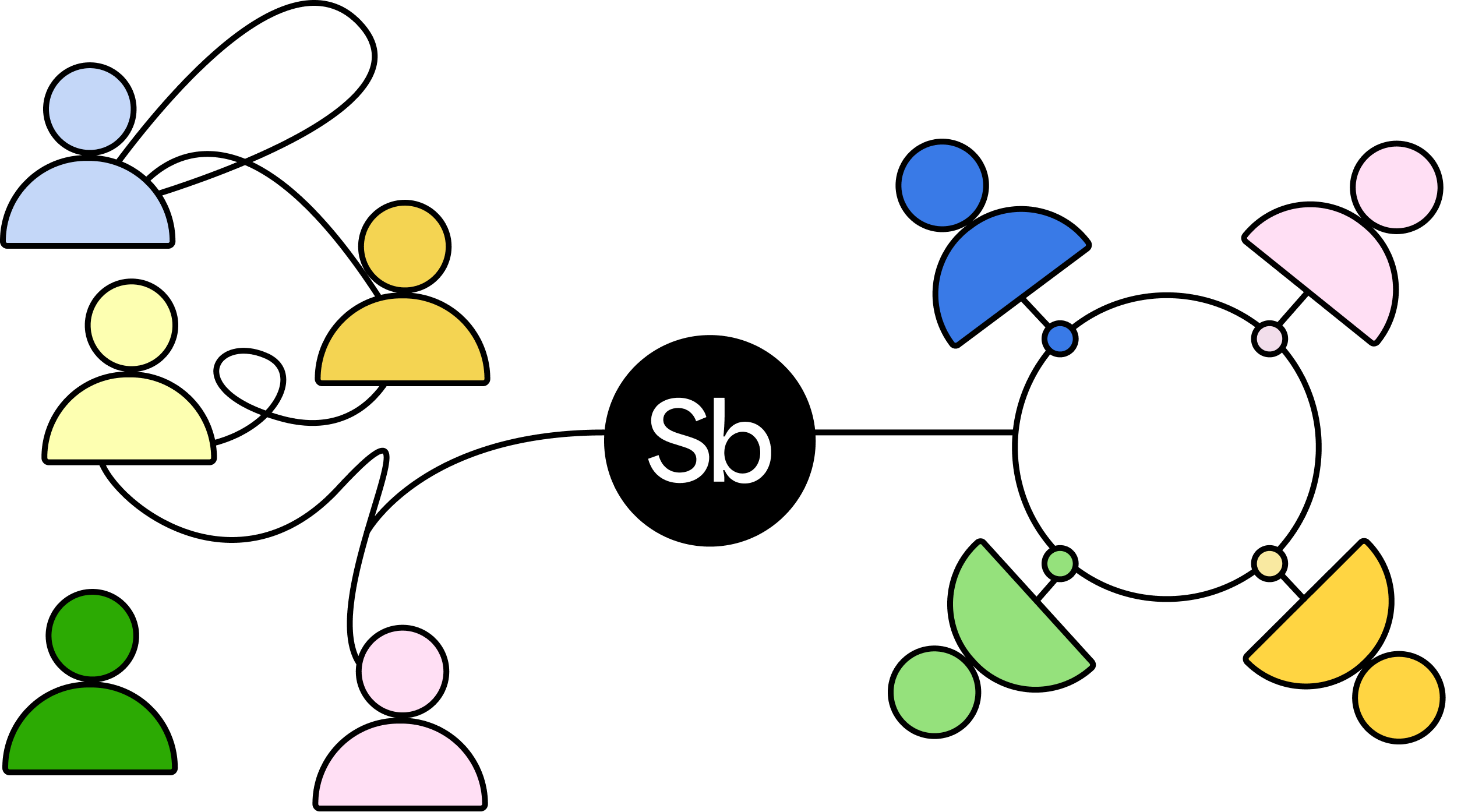
Free resources for Operations teams


Switchboard Connect newsletter
Short, practical insights on operations, automation, and transformation.
Subscribe →

Case Studies
See how teams fixed handoffs, cleaned up systems, and removed manual work.
Browse case studies →
Operations FAQ
What is digital transformation for operations teams?
Digital transformation for operations means making work consistent across people and tools. Workflows have clear ownership and clear “done” states. Key records live in one place, so reporting reflects reality and handoffs stop depending on memory. Automation supports repeat steps like routing, approvals, and updates. AI is most useful after the workflow and data are stable, usually for summaries, sorting, and reporting support.
Do we need to replace our tools to modernize operations?
Usually not. Most Ops teams already have enough tools. The real issue is overlap, unclear sources of truth, and inconsistent data. Modernization often means deciding where each key record should live, cleaning up the fields that drive decisions, and making tool connections behave consistently. If a tool cannot support the workflow you need, replacement can be part of the plan, but it rarely needs to happen first.
When does AI make sense in operations?
AI works best after workflows and data are consistent. At that point, it can reduce time spent reading, sorting, summarizing, and pulling key details into reports. AI does not replace clear ownership, clean fields, or a stable workflow. If inputs are messy, outputs are unreliable. When the basics are strong, AI becomes a helpful add-on that saves time without adding confusion.
How long does an operations transformation project take?
It depends on scope, number of workflows, and the state of your data. Many teams start with one high-volume workflow and see meaningful progress in a few weeks. Larger efforts that span multiple workflows and tools take longer. The most reliable approach is to start with one workflow that has clear rules and measurable volume, deliver a strong first result, then expand with what the team learns.
What does Switchboard typically build for operations teams?
Most projects include a workflow map, a clear system of record decision, and a working setup inside the tools your team uses. That can include standardized fields and statuses, approval and handoff flows, dashboards for visibility, and automations that reduce repeat work. In the right spots, teams also add lightweight AI support for summaries, sorting requests, and reporting help, once the foundation is stable.
